

Have you ever opened your kitchen drawer, only to be greeted by an avalanche of utensils, gadgets, and mystery items best left unspoken? Or perhaps your countertops look more like a cluttered battlefield than a cooking haven? Fear not. With these kitchen organizing hacks, you’ll transform your chaotic space into a chef’s dream. Let’s jump into the secrets of a well-organized kitchen, where everything has a home, and cooking feels like a joy rather than a chore.
Understanding the Importance of a Organized Kitchen
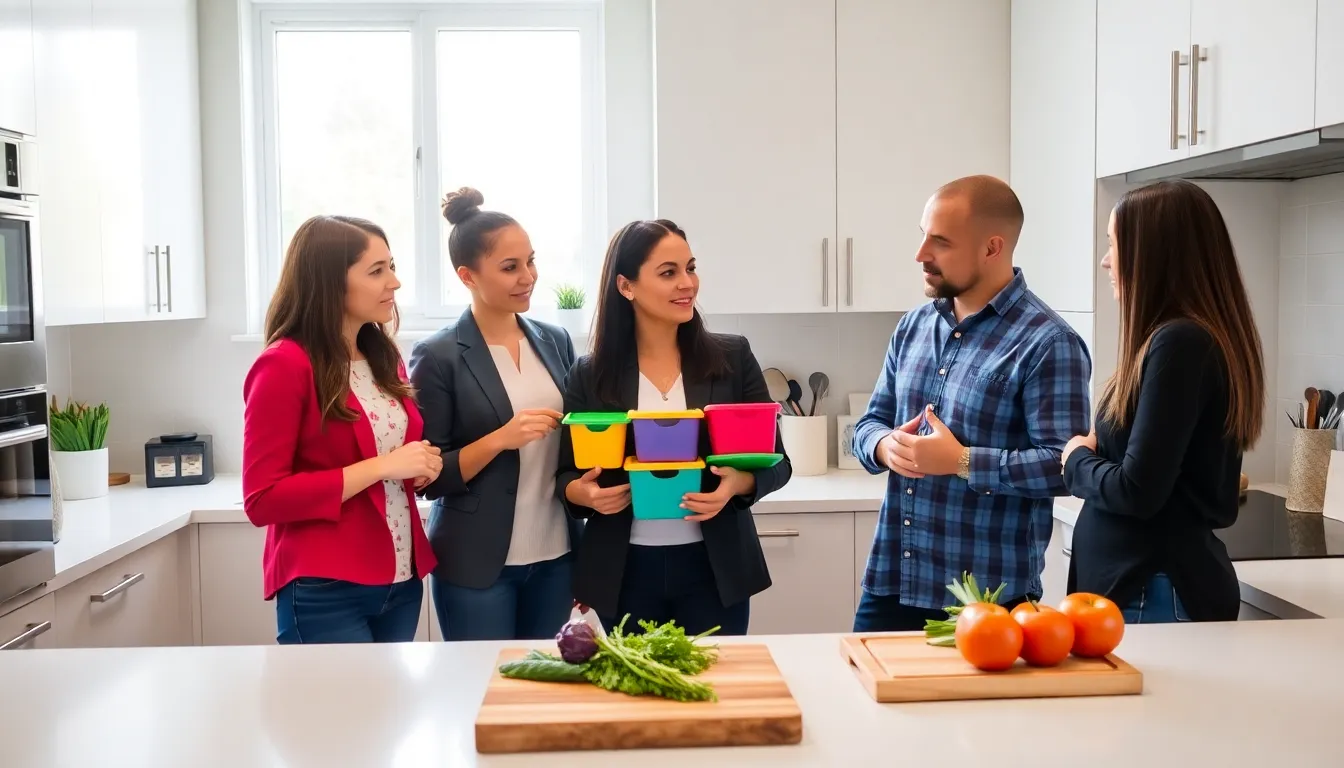
A well-organized kitchen isn’t just a luxury: it’s a necessity. When chaos reigns, it’s easy to misplace essential tools, waste time searching for ingredients, and even make cooking less enjoyable. An organized kitchen enhances efficiency, allowing for smoother meal preparations and quicker clean-ups. Less clutter means fewer distractions, which results in more focus on creating culinary masterpieces. Plus, a tidy kitchen is often a healthier kitchen, reducing the chances of forgetting about perishable items that lurk at the back of the pantry. In short, organization transforms how one interacts with their kitchen, elevating both functionality and creativity.
Essential Kitchen Organization Tips
Every great kitchen starts with solid organization. Here are some practical hacks to get started:
Creative Storage Solutions for Small Spaces
In a small kitchen, every inch counts. Consider using under-shelf baskets to create additional storage in cabinets. Magnet strips can also work wonders for holding spices or tools in an unused spot on your wall. Keep clear containers for often-used items like snacks or pasta. This is not just practical: it adds a pop of visual appeal.
Maximizing Cabinet and Counter Space
Utilizing the inside of cabinet doors can provide additional storage for cutting boards or measuring spoons. Stackable bins or pull-out racks can make accessing items easier. On countertops, use tiered trays or a lazy Susan to keep frequently used items within reach while maintaining a clear surface.
Utilizing Vertical Space Effectively
Walls are your friends. Install shelves to take advantage of vertical space, turning seldom-used corners into useful areas. Hanging pot racks add charm while keeping pots and pans neatly arranged. This free up drawer space and puts everything in sight, reducing cooking friction.
Smart Use of Drawers and Shelves
Drawers can be a black hole for kitchen items if not properly organized. Utilizing drawer dividers can maintain order among utensils, making it easy to find what’s needed without digging through. Consider investing in tiered organizers for smaller items, keeping things visible and accessible.
For shelves, group similar items together, keep pots with pans, spices with cooking oils, and baking sheets with mixing bowls. Also, labeling containers helps everyone in the household find and return items to their rightful place, transforming the kitchen into a well-oiled machine of culinary creation.
Decluttering Your Kitchen: Steps to Success
Decluttering is the foundation of kitchen organization. Begin by emptying out cabinets and drawers, yes, all of it. Then follow these straightforward steps:
- Sort items into categories: keep, donate, and discard. If it hasn’t been used in over a year, it probably doesn’t need to stay.
- Clean spaces as you go. Wipe down surfaces and eliminate crumbs. A clean slate is the best start.
- Reassess what to keep based on need and frequency of use. Make a habit of evaluating items every few months. Shuffling things around isn’t the solution, letting go is key.
Maintaining Your Organized Kitchen
An organized kitchen requires consistent upkeep. After achieving that clean and tidy look, carry out a few habits:
- Every day, spend five to ten minutes putting things back in their place. This simple habit prevents clutter from accumulating.
- After grocery shopping, take the time to reorganize food items in the pantry. Ensure that older items are in front and that everything is appropriately labeled.
- Designate a day each month for a more thorough check-up. Make it fun. Perhaps with a friend or while jamming to your favorite tunes. Keeping personal records of kitchen upkeep can also make maintenance more manageable.