

Conflict is as inevitable as that one friend who always eats the last slice of pizza. But what if there was a way to turn those awkward standoffs into laughter and learning? Enter conflict resolution games—fun, interactive activities designed to help individuals and teams navigate disagreements with grace and humor.
These games aren’t just child’s play; they’re powerful tools that foster communication, empathy, and teamwork. Imagine resolving disputes while laughing at silly scenarios or engaging in friendly competition. Not only do these games lighten the mood, but they also equip players with essential skills to tackle real-world conflicts. So, whether you’re in a boardroom or a backyard, it’s time to swap the drama for some game time and discover how conflict resolution can be both effective and entertaining.
Overview of Conflict Resolution Games
Conflict resolution games are interactive tools designed to manage disagreements while enhancing communication and teamwork. Engaging with these games fosters skills applicable in various contexts.
Definition and Purpose
Conflict resolution games encompass activities that aim to mitigate tensions between individuals or groups. These games typically involve scenarios where players must navigate disagreements, fostering dialogue and understanding. They serve multiple purposes: improving conflict management skills, promoting empathy, and teaching effective negotiation techniques. Through active participation, players can experience firsthand the dynamics of conflict and resolution, benefiting both personal and professional interactions.
Importance in Various Settings
Conflict resolution games play a crucial role in numerous environments, including workplaces, schools, and social gatherings. In professional settings, these games boost collaboration among team members by reducing stress and enhancing communication. Educational institutions use them to develop students’ social skills, preparing them to handle disputes constructively. Social gatherings benefit as well, creating a relaxed atmosphere where participants learn to resolve differences amicably. Such games support a culture of understanding in any context, transforming potential conflicts into opportunities for growth.
Types of Conflict Resolution Games
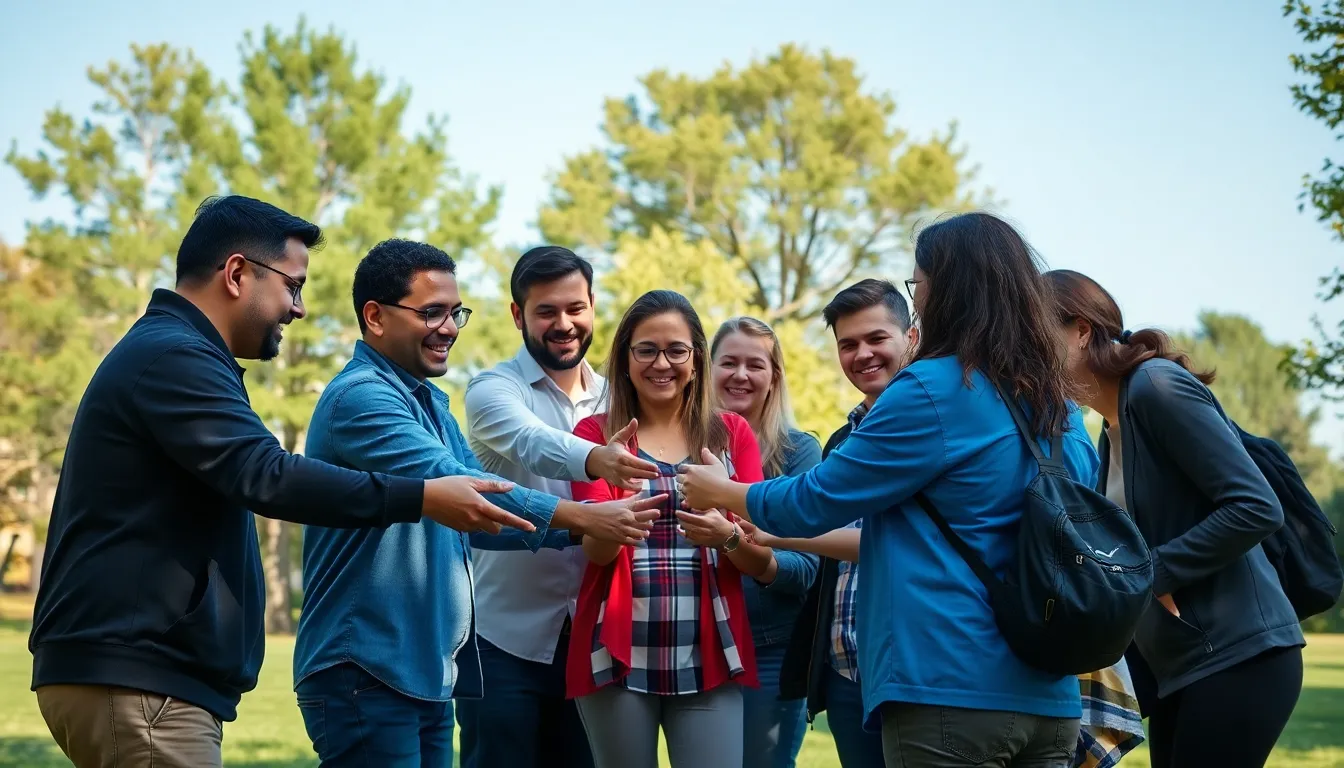
Variety exists within conflict resolution games, enhancing their effectiveness across different scenarios. Two primary categories include cooperative games and competitive games.
Cooperative Games
Cooperative games foster teamwork and mutual support among participants. These activities emphasize collaboration while resolving conflicts. Players work together to achieve common goals, encouraging open communication and empathy. Trust-building exercises and role-playing scenarios commonly fall into this category. For instance, team-building exercises allow individuals to practice problem-solving and decision-making as a unit. Using cooperative games cultivates a sense of community and strengthens relationships, ultimately providing a safe space for dialogue.
Competitive Games
Competitive games introduce an element of friendly rivalry, motivating participants to resolve conflicts constructively. These games encourage individuals to negotiate and strategize while aiming for victory. Participants work in teams or as individuals to achieve specific objectives, often leading to valuable discussions about differing perspectives. Activities like debate tournaments or structured simulations often exemplify this approach. Such games stimulate critical thinking and creativity in conflict resolution, pushing players to consider solutions that achieve both personal and team goals. Engaging in competitive games can transform conflict into a dynamic learning experience.
Benefits of Conflict Resolution Games
Conflict resolution games offer numerous advantages in personal and professional settings. These activities develop essential skills, enhance communication, and foster a positive atmosphere for resolving disputes.
Skill Development
Skill development occurs through active participation in conflict resolution games. Participants sharpen critical thinking skills as they analyze situations and craft solutions. Games encourage collaboration and promote negotiation skills through role play and structured challenges. Players learn to navigate disagreements effectively by practicing empathy and understanding different perspectives. Moreover, specific exercises enable individuals to improve their conflict management abilities, making them better equipped to handle real-world challenges.
Enhanced Communication
Enhanced communication arises naturally during conflict resolution games. Players engage in open dialogue, expressing thoughts and feelings in a supportive environment. These activities break down barriers, facilitating honest conversation and active listening. Improved verbal and nonverbal communication skills result from consistent practice in these settings. Team members also gain confidence in articulating their viewpoints, which contributes to stronger interpersonal relationships. Overall, enhanced communication fosters a culture of understanding, making it easier to address conflicts constructively.
Implementing Conflict Resolution Games
Effective implementation of conflict resolution games enhances their impact. Participants gain valuable conflict management skills while engaging in enjoyable activities.
Best Practices for Facilitation
Facilitators play a crucial role in the success of these games. They encourage open communication and create a safe environment for all players. Setting clear objectives at the beginning clarifies expectations and promotes focus. Facilitators should also remain neutral, allowing participants to express their thoughts without judgment. Maintaining a light atmosphere helps participants engage fully. Feedback should be provided after each game, emphasizing learning points and encouraging participants to share their insights.
Tailoring Games to Different Groups
Adapting games to fit various groups improves effectiveness. Consider the age, background, and objectives of the participants. For children, games featuring storytelling and role-playing capture interest. In contrast, adults might benefit from negotiation and strategy-based activities. Cultural sensitivity is also vital in diverse settings to ensure inclusivity and understanding. Assessing group dynamics helps facilitators choose appropriate challenges, enhancing team cohesion. Customization ensures that everyone participates meaningfully, leading to enriched conflict resolution experiences.
Challenges and Limitations
Conflict resolution games present several challenges and limitations that participants and facilitators should consider.
Potential Misunderstandings
Misinterpretation can arise when players engage in these games. Participants might misconstrue intentions or tone, leading to unproductive outcomes. Games designed to be lighthearted may unintentionally intensify emotions in some individuals. Setting clear guidelines before starting the activity helps mitigate these risks. Combining discussions before and after games can clarify any confusion. Misunderstandings can reduce the effectiveness of conflict resolution strategies, emphasizing the need for clear communication throughout the process.
Cultural Considerations
Cultural differences significantly impact the effectiveness of conflict resolution games. Participants from diverse backgrounds may have varying perspectives on conflict and resolution styles. Some cultures view conflict differently, perceiving it as a necessary component of growth, while others may see it as negative. Facilitators should incorporate culturally sensitive practices to ensure inclusivity. Acknowledging these differences fosters respect and understanding among participants. Selecting games tailored to the cultural context enhances engagement and effectiveness. By creating an inclusive environment, conflict resolution games can achieve their intended goals more successfully.
Embracing conflict resolution games can transform how individuals and teams approach disagreements. These interactive activities not only foster essential skills but also create an enjoyable environment for resolving differences. By encouraging communication and empathy through both cooperative and competitive formats, these games pave the way for constructive dialogue.
Facilitators play a key role in maximizing the effectiveness of these games by ensuring a safe and inclusive atmosphere. Tailoring activities to fit the group’s unique dynamics enhances participation and engagement. Ultimately, conflict resolution games serve as powerful tools that promote understanding and collaboration, making conflict a stepping stone for personal and collective growth.


